
AI systems, compute architecture, and silicon photonics strategy
PanAuro’s technology roadmap spans applied AI systems, scalable compute infrastructure, and long-term deep-tech research directed toward the future constraints of bandwidth, efficiency, and data movement in AI.
The goal is to build technology depth across both immediate commercial deployment and the next generation of infrastructure architecture.
Built for present-day execution and future technical leverage
PanAuro’s technology strategy is designed to support commercial AI deployment today while creating optionality around the hardware, systems, and interconnect architectures that may define the next generation of AI infrastructure.
AI Systems
Enterprise AI applications, workflow automation, and deployment frameworks designed for real operating environments rather than experimental demos.
Compute Architecture
GPU-oriented infrastructure, orchestration, and systems integration designed to support inference, private AI environments, and scalable enterprise operations.
Silicon Photonics
Long-range research into optical interconnects and photonic architectures aimed at the future bandwidth and efficiency requirements of AI infrastructure.
Commercial AI designed for real enterprise environments
PanAuro’s AI systems direction emphasizes practical deployment: internal copilots, customer-facing automation, workflow orchestration, and vertical AI use cases capable of generating measurable operational value.
The focus is not only on models, but on how models are deployed, governed, integrated, and adapted to environments that require reliability, privacy, controllability, and business relevance.
Compute capacity as the foundation of AI delivery
AI deployment at scale requires reliable compute. PanAuro’s platform strategy therefore includes GPU-oriented infrastructure, systems orchestration, and compute partnerships capable of supporting enterprise inference, private AI environments, and cross-border AI operations.
This layer is essential to turning AI from a software concept into a real operating capability supported by serious infrastructure.

Optical interconnect for the next generation of AI systems
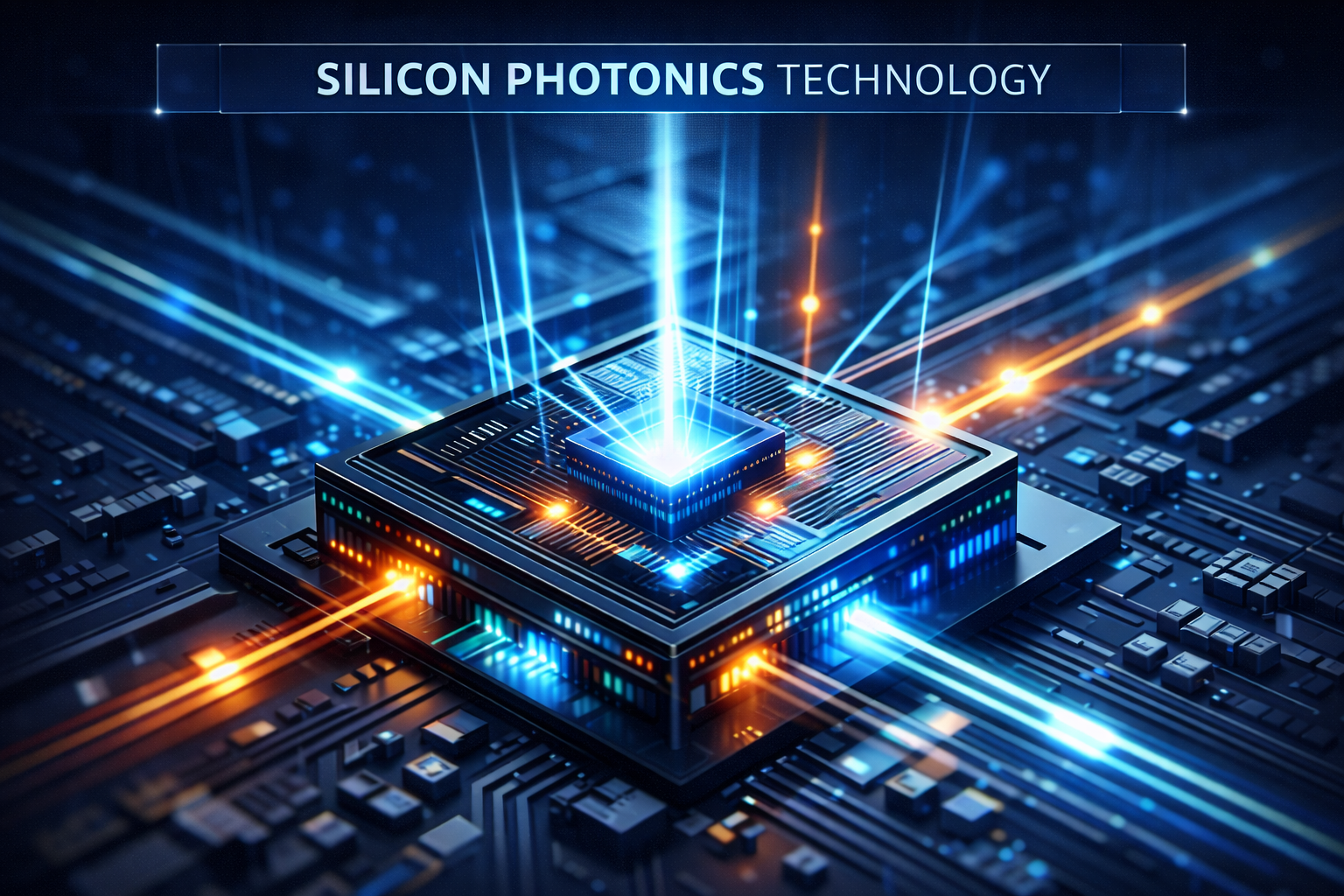
PanAuro is exploring silicon photonics as a long-term technology direction for advanced AI infrastructure. As compute density rises and data movement becomes a limiting factor, optical interconnect technologies may become increasingly important for bandwidth, efficiency, and system scale.
Silicon photonics offers a pathway toward ultra-high-speed communication among processors, GPUs, memory subsystems, and future AI architectures. This direction aligns with the broader need to reduce the bottlenecks of traditional electrical signaling.
Within PanAuro’s technology story, this represents the deeper research layer: not only deploying AI infrastructure, but also thinking ahead to the architectures that may shape the next era of compute.
Execution and enterprise deployment
PanAuro’s immediate technology priorities are grounded in enterprise AI implementation, compute access, and commercial deployment capability across multiple industries.
Strategic differentiation through deep tech
Over time, advanced interconnects, photonic systems design, and next-generation infrastructure architecture may create the deeper technical leverage that differentiates PanAuro’s platform.
Direct channel for technical discussions and collaboration
Research teams, technology collaborators, infrastructure partners, and organizations exploring advanced systems, compute architecture, or photonics-related collaboration may contact PanAuro directly.
Technology collaboration and general strategic inquiries
Technology with both commercial relevance and long-term depth
PanAuro’s technology story is designed to be clear and layered: practical AI systems today, compute infrastructure to support deployment, and silicon photonics research aligned with the future of AI architecture.